Pregnancy Nutrition: What to Eat for a Healthy Baby
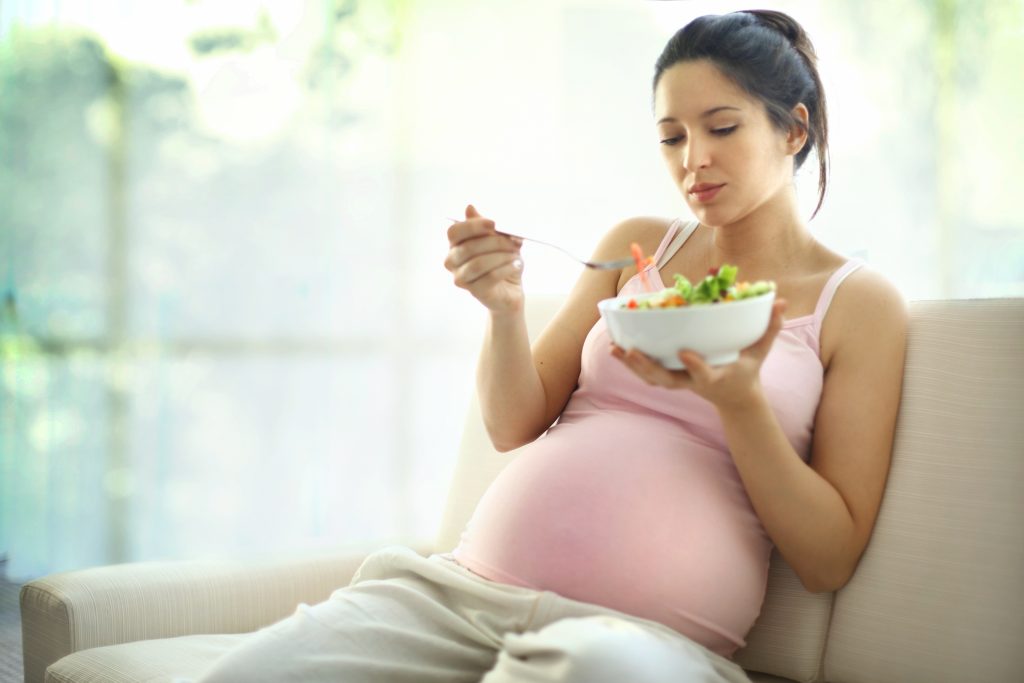
Pregnancy is a time of remarkable change, and what you eat directly supports your baby’s growth and development. A balanced, nutrient-rich diet not only helps build your baby’s organs and tissues but also supports your own energy levels, immunity, and overall well-being. Understanding the essentials of pregnancy nutrition can make this journey healthier and more confident.
Why Nutrition Matters During Pregnancy
During pregnancy, your body works harder to nourish both you and your baby. Nutrients fuel critical processes such as brain development, bone formation, and immune system growth. Poor nutrition can increase the risk of complications, while a well-planned diet promotes a smoother pregnancy and healthier birth outcomes.
Essential Nutrients for a Healthy Pregnancy
Folate (Folic Acid)
Folate plays a key role in preventing neural tube defects, which affect the baby’s brain and spinal cord.
- Leafy greens (spinach, kale)
- Lentils and beans
- Fortified cereals
- Citrus fruits
Protein
Protein supports the growth of fetal tissues, including the brain, and helps increase maternal blood supply.
- Eggs
- Lean meats and poultry
- Fish (low-mercury varieties)
- Dairy products
- Tofu and legumes
Iron
Iron helps prevent anemia by supporting red blood cell production and oxygen transport.
- Red meat
- Spinach
- Beans and chickpeas
- Fortified grains
Pair iron-rich foods with vitamin C sources like oranges or tomatoes to improve absorption.
Calcium
Calcium is vital for building strong bones and teeth in your baby while maintaining your own bone density.
- Milk, yogurt, and cheese
- Almonds
- Sesame seeds
- Calcium-fortified plant milks
Omega-3 Fatty Acids
These healthy fats are essential for brain and eye development.
- Salmon and sardines
- Walnuts
- Chia and flax seeds
Best Foods to Include in Your Pregnancy Diet
A varied diet ensures you get a wide spectrum of nutrients. Focus on whole, minimally processed foods.
- Fruits and vegetables for vitamins, minerals, and fiber
- Whole grains such as oats, brown rice, and whole wheat bread
- Healthy fats from avocados, nuts, seeds, and olive oil
- Lean proteins to support growth and repair
Foods to Limit or Avoid
Some foods pose risks during pregnancy and should be limited or avoided to protect your baby.
- Raw or undercooked eggs, meat, and seafood
- Unpasteurized milk and soft cheeses
- High-mercury fish like shark, swordfish, and king mackerel
- Excess caffeine (limit to about 200 mg per day)
Healthy Eating Tips for Expecting Mothers
Small, consistent habits make a big difference during pregnancy.
- Eat small, frequent meals to manage nausea and heartburn
- Stay well-hydrated with water, soups, and fresh juices
- Wash fruits and vegetables thoroughly
- Listen to hunger cues rather than “eating for two”
Sample Daily Pregnancy Meal Plan
- Breakfast: Oatmeal with berries and nuts
- Snack: Yogurt with sliced fruit
- Lunch: Grilled chicken, quinoa, and steamed vegetables
- Snack: Handful of almonds and an apple
- Dinner: Baked salmon, brown rice, and leafy greens


Frequently Asked Questions (FAQs)
1. How many extra calories do I need during pregnancy?
Most women need only about 300 extra calories per day during the second and third trimesters, depending on activity level and body type.
2. Can I follow a vegetarian or vegan diet while pregnant?
Yes, with careful planning. Ensure adequate intake of protein, iron, vitamin B12, calcium, and omega-3 fatty acids.
3. Is it safe to eat fish during pregnancy?
Yes, low-mercury fish like salmon and sardines are safe and beneficial when eaten 2–3 times per week.
4. Do I need supplements if I eat well?
Many women still need prenatal supplements, especially for folic acid, iron, and vitamin D. A healthcare provider can guide you.
5. How can I manage food cravings and aversions?
Balance cravings with nutritious options and try different food preparations if certain smells or textures bother you.
6. What should I eat if I have morning sickness?
Plain foods like crackers, bananas, toast, and ginger-based drinks can help soothe nausea.
7. Can poor nutrition affect my baby later in life?
Yes, early nutrition influences long-term health, including metabolism, immunity, and cognitive development.
A thoughtful approach to pregnancy nutrition lays the foundation for a healthy baby and a stronger, more energized mother. Choosing nourishing foods daily is one of the most powerful ways to support life as it grows within you.