Pilates for Injury Recovery: A Gentle Yet Powerful Rehabilitation Path for Singaporeans
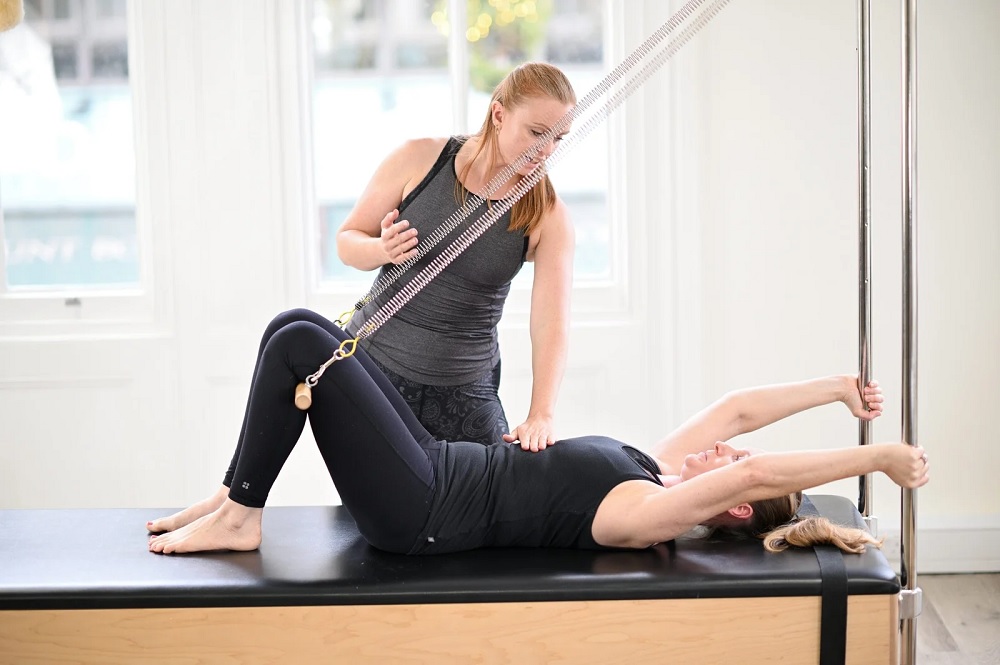
In a fast-paced city like Singapore, staying physically active is a priority for many. Yet with the hustle comes an inevitable reality—injuries. From sprained ankles during weekend football to chronic back pain due to sedentary work routines, injuries can halt progress and dampen motivation. However, more individuals are discovering the effectiveness of pilates Singapore as a tool for recovery and long-term mobility. This low-impact, controlled form of exercise is proving to be a game-changer in rehabilitation.
Whether you’re a runner managing knee pain or someone recovering from surgery, Pilates offers a progressive, safe, and holistic approach to healing, specifically suited to Singapore’s urban lifestyle and healthcare trends.
Why Pilates Is Ideal for Rehabilitation
Pilates focuses on alignment, core control, flexibility, and precise movement—principles that support healing. Unlike traditional workouts that can be high-impact and potentially aggravate injuries, Pilates works deep stabilising muscles and allows the body to recondition itself in a supported environment.
Here’s what makes it especially suitable for injury recovery:
- Gentle on joints: No heavy pounding or jerky movements, making it safe for those with joint or muscle pain
- Scalable progressions: Exercises can be modified from basic to advanced as recovery improves
- Body awareness training: Enhances proprioception, which is crucial post-injury to prevent re-injury
- Focus on breathing: Encourages relaxation and reduces inflammation caused by stress hormones
Whether recovering from a sports injury, surgery, or chronic condition, Pilates meets you where you are and helps rebuild your strength safely.
Common Injuries That Benefit from Pilates
Many physiotherapists and movement specialists in Singapore now refer patients to Pilates as part of their recovery roadmap. These are some of the most common conditions that see positive results:
- Lower back pain
- ACL or meniscus injuries
- Rotator cuff tears or impingement
- Post-hip or knee surgery rehabilitation
- Sciatica
- Ankle instability or sprains
- Herniated discs or spinal misalignments
Instead of just treating symptoms, Pilates addresses the root causes—imbalanced muscles, poor movement patterns, and lack of control.
How Pilates Supports Each Phase of Recovery
Recovery isn’t a one-size-fits-all journey. Let’s break down how Pilates supports each stage.
1. Early Recovery (Weeks to 2 Months)
During this stage, your body is still healing tissue, and movement is often limited. Pilates exercises are often performed lying down or seated, focusing on breath, small movements, and reconnecting with the deep stabiliser muscles.
Common early-phase movements:
- Pelvic tilts
- Toe taps
- Supine arm openings
- Gentle spinal rolls
These movements enhance circulation and prevent stiffness while supporting natural tissue regeneration.
2. Rebuilding Strength (2 to 4 Months)
Once pain is managed and movement improves, Pilates introduces slightly more load and resistance, often with props like Pilates rings, small weights, or resistance bands.
Key goals include:
- Regaining muscle endurance
- Restoring joint mobility
- Improving balance and coordination
Exercises like bridges, side leg lifts, and modified planks build strength without overwhelming the body.
3. Return to Full Function (4+ Months and Beyond)
At this point, you’re re-integrating into daily activities or sport. Pilates can now support more dynamic movements, unilateral strength, and complex coordination tasks.
Exercises may include:
- Standing Pilates work for ankle and knee stability
- Swan and swimming for spinal strength
- Side planks and teasers for total body integration
This phase is crucial for building resilience and ensuring the injury doesn’t recur.
Pilates vs. Conventional Rehab Workouts
Many Singaporeans are accustomed to seeing physiotherapists post-injury, but Pilates provides a crucial bridge between clinical rehab and returning to full activity. While physiotherapy tends to be shorter-term and symptom-focused, Pilates is long-term and functional.
Here’s a quick comparison:
| Aspect | Pilates | Traditional Rehab |
| Focus | Whole-body integration | Injury site-specific |
| Duration | Ongoing for wellness | Usually ends after healing |
| Progression | Scalable and continuous | Often static after discharge |
| Accessibility | Studio classes or private sessions | Medical clinic-based |
For those who’ve finished physio but aren’t confident returning to sports or high-impact training, Pilates fills that gap beautifully.
The Singaporean Experience: Real-Life Stories
Pilates studios in Singapore are seeing a rise in clients using Pilates as their “second-stage rehab.” Whether it’s a young adult recovering from an ACL tear after a futsal match or a retiree working through lower back pain, the results are consistent—better posture, reduced pain, and restored movement confidence.
A client testimonial from a 38-year-old marketing executive sums it up:
“After surgery on my left shoulder, I felt weak and stiff even after finishing physio. Pilates helped me regain proper range and taught me how to move better, not just heal faster.”
Such experiences are increasingly common in studios like Yoga Edition, where instructors tailor classes to individual conditions, ensuring safety and effectiveness for post-injury progression.
Things to Look For in a Rehab-Focused Pilates Class
If you’re seeking Pilates in Singapore to support injury recovery, consider the following:
- Qualified instructors with knowledge of anatomy and injury modifications
- Small class sizes to ensure personal attention
- Equipment access like reformers, chairs, or props for supported movement
- Clear communication where your instructor asks about your condition before class
- Gradual progression without sudden jumps in intensity
Don’t hesitate to ask your instructor if they’ve worked with similar injuries before. A skilled teacher will adjust the session based on your unique needs and healing speed.
How to Integrate Pilates Into Your Post-Injury Life
Once you see progress, it’s tempting to drop Pilates and jump back into your old fitness routine. However, the most successful recoveries happen when Pilates becomes a regular part of your wellness plan.
Tips for making it sustainable:
- Start with private sessions if your injury is recent or complex
- Transition to group classes once you’ve regained strength
- Commit to 2–3 sessions per week for lasting benefits
- Pair Pilates with walking, swimming, or stretching
- Journal your mobility and strength progress to stay motivated
This integrative approach not only speeds recovery but also protects you from future setbacks.
FAQ: Singaporean Concerns About Pilates and Injury Recovery
Q: Is Pilates safe for post-surgical recovery?
A: Yes, when supervised by a qualified instructor. Always seek medical clearance before beginning and ensure the instructor is informed about your surgery.
Q: Can I do Pilates if I still have pain?
A: Mild discomfort is okay, but sharp or radiating pain is not. A Pilates session should be adjusted around your current ability and healing pace.
Q: Is mat Pilates enough for recovery or do I need reformer classes?
A: Mat Pilates can be very effective, especially in early stages. Reformer work adds variety and support later, but isn’t mandatory.
Q: How long will it take before I feel stronger?
A: Most clients in Singapore report strength and mobility gains within 6–10 sessions. Consistency and instructor quality play a huge role.
Q: Can I combine Pilates with my physiotherapy?
A: Absolutely. Many physiotherapists in Singapore recommend combining Pilates to complement and extend their therapy work.
When it comes to regaining strength, mobility, and confidence after an injury, pilates Singapore offers a reliable and intelligent path. With mindful movement, customised progression, and professional support, Pilates doesn’t just help you recover—it helps you come back stronger.