Beginner-Friendly Exercise Routines You Can Do at Home
Starting an exercise routine doesn’t require a gym membership, fancy equipment, or advanced fitness knowledge. Beginner-friendly home workouts focus on simple movements that build strength, improve mobility, and boost confidence—right from your living room. The key is consistency, not intensity.
Why Home Workouts Are Ideal for Beginners
Exercising at home removes many common barriers, making it easier to get started and stay consistent.
Benefits include:
- No travel time or gym intimidation
- Full control over pace and intensity
- Easy to fit into busy schedules
- Minimal or no equipment needed
Home workouts allow you to learn proper movement patterns before progressing to more advanced routines.
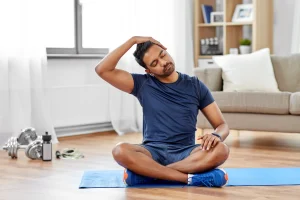
Warm-Up: Prepare Your Body First
Warming up reduces injury risk and improves performance by increasing blood flow to muscles.
A simple 5-minute warm-up can include:
- Arm circles and shoulder rolls
- Marching in place
- Gentle torso twists
- Light stretching of legs and hips
Keep movements slow and controlled, focusing on breathing.
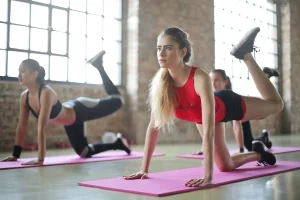
Full-Body Beginner Workout (No Equipment)
This routine targets all major muscle groups and can be done 2–3 times per week.
Squats
Squats strengthen your legs and core.
How to do them:
- Stand with feet shoulder-width apart
- Lower your hips as if sitting back into a chair
- Keep your chest up and knees aligned
Start with 10–12 reps.
Wall Push-Ups
A beginner-friendly version of push-ups that builds upper body strength.
Steps:
- Place hands on a wall at chest height
- Bend elbows to bring chest toward the wall
- Push back to starting position
Aim for 8–10 reps.
Standing Marches
This exercise improves balance and engages your core.
How it works:
- Stand tall and lift one knee at a time
- Keep your core tight and movements controlled
Do 30–45 seconds.
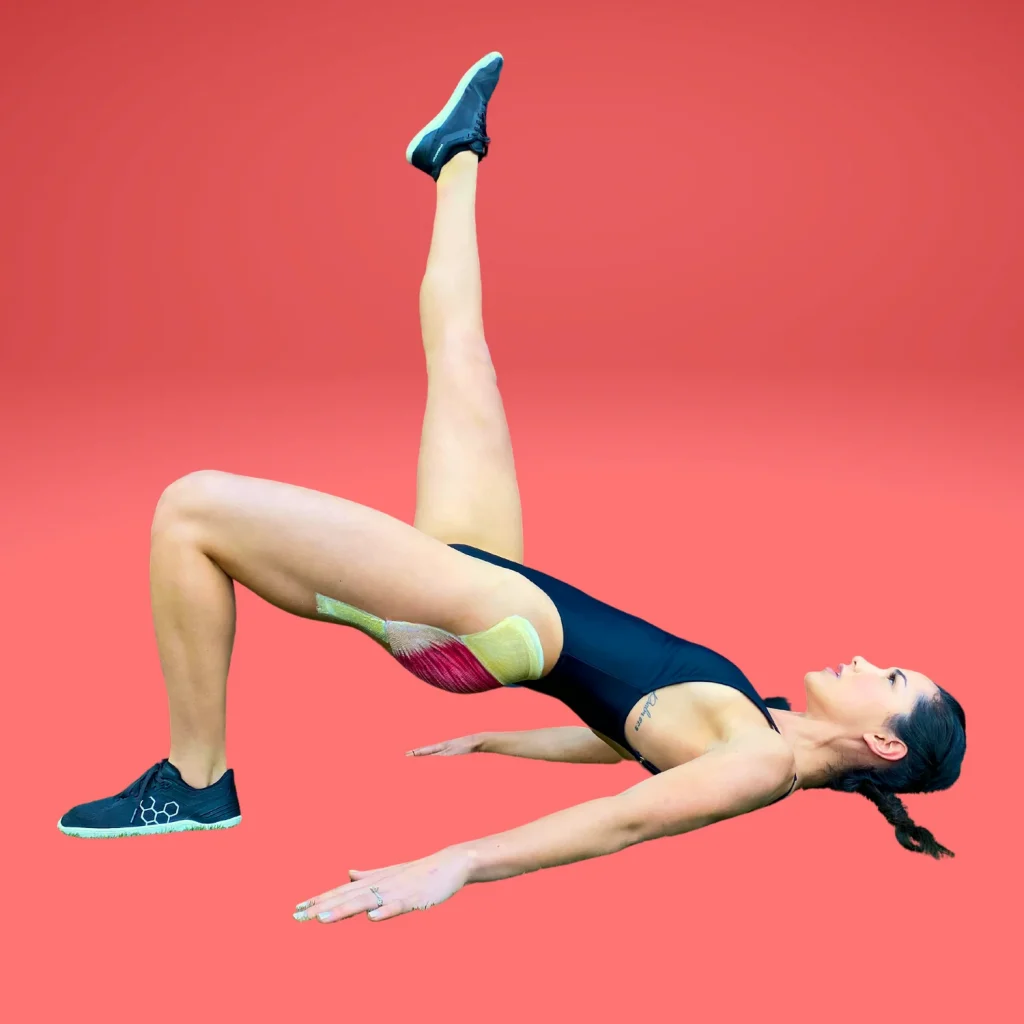
Glute Bridges
Great for strengthening hips and lower back.
Instructions:
- Lie on your back with knees bent and feet flat
- Lift hips toward the ceiling
- Squeeze glutes at the top
Perform 10–12 reps.
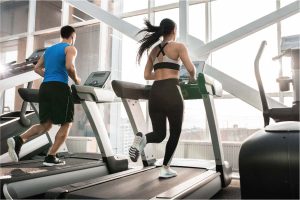
Low-Impact Cardio Options
Cardio improves heart health without stressing the joints.
Beginner-friendly choices:
- Marching in place
- Step-backs
- Low-impact jumping jacks
- Walking around your home
Start with 5–10 minutes and increase gradually.
Cool Down and Stretching
Cooling down helps your body recover and reduces muscle soreness.
Include stretches for:
- Hamstrings and calves
- Hips and glutes
- Chest and shoulders
- Lower back
Hold each stretch for 15–30 seconds, breathing deeply.
How Often Should Beginners Exercise?
For most beginners:
- Strength workouts: 2–3 days per week
- Light cardio or movement: most days of the week
- Rest days: At least 1–2 per week
Listening to your body is essential—soreness is normal, pain is not.
Staying Motivated at Home
Motivation grows with routine and small wins.
Helpful strategies:
- Schedule workouts like appointments
- Track progress, not perfection
- Start with short sessions
- Celebrate consistency
Building the habit matters more than doing long workouts.
FAQs
1. How long should a beginner home workout last?
Most beginners do well with 20–30 minutes, including warm-up and cool-down.
2. Can I build muscle with home workouts?
Yes. Bodyweight exercises can build strength and muscle, especially for beginners.
3. Do I need equipment to start exercising at home?
No. Many effective routines use only bodyweight.
4. What if I feel sore after exercising?
Mild soreness is normal. Rest, hydrate, and stretch, but avoid pushing through sharp pain.
5. Is it okay to exercise every day as a beginner?
Light movement daily is fine, but intense workouts should include rest days.
6. How do I know if I’m doing exercises correctly?
Move slowly, focus on form, and use mirrors or trusted instructional videos when possible.
7. When should I increase workout intensity?
Increase reps, time, or difficulty once exercises feel manageable and your form stays strong.
Starting with simple, beginner-friendly exercises at home builds a strong foundation for long-term fitness. With patience and consistency, progress naturally follows.