How Exercise Boosts Energy and Reduces Stress
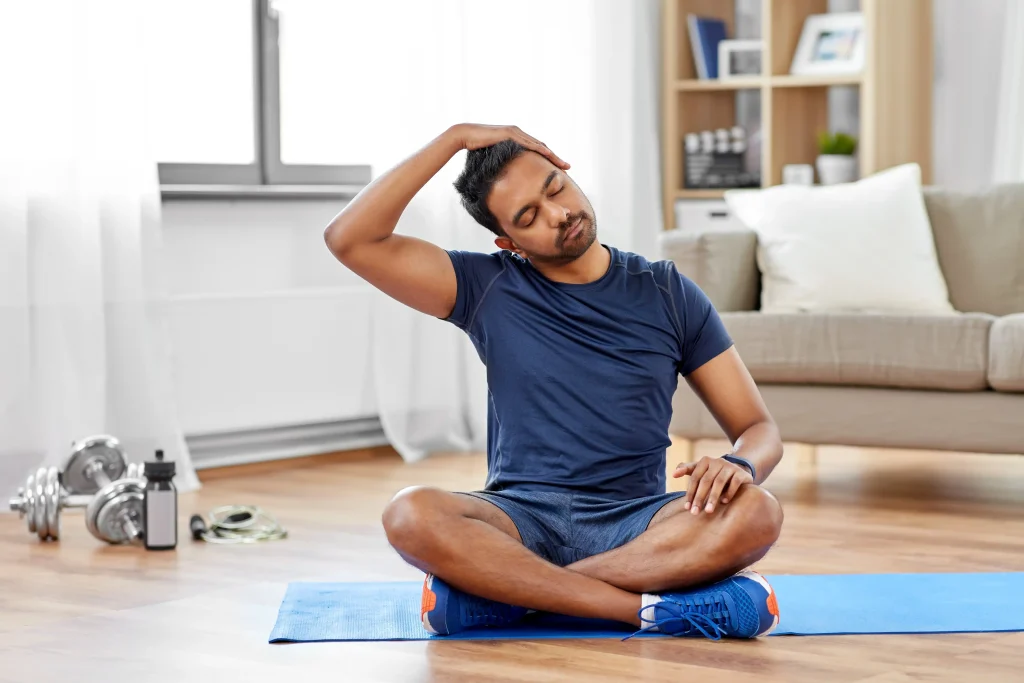
When life feels overwhelming or energy levels hit rock bottom, exercise can feel like the last thing you want to do. Yet, regular physical activity is one of the most effective ways to increase daily energy and manage stress naturally. Even small amounts of movement can create noticeable mental and physical shifts.
The Connection Between Exercise, Energy, and Stress
Exercise directly influences how your body and brain function. Movement triggers chemical reactions that improve circulation, oxygen delivery, and brain activity—all essential for sustained energy and emotional balance.
Rather than draining you, the right kind of exercise helps your body work more efficiently, leaving you feeling refreshed instead of exhausted.
How Exercise Increases Energy Levels
Improves Blood Flow and Oxygen Supply
Physical activity boosts circulation, allowing oxygen and nutrients to reach your muscles and brain more effectively.
This leads to:
- Better stamina
- Reduced feelings of sluggishness
- Improved physical endurance throughout the day
Over time, your body adapts by using energy more efficiently.
Enhances Mitochondrial Function
Exercise stimulates the production of mitochondria, the structures inside cells responsible for energy creation.
More mitochondria means:
- Higher energy output
- Less fatigue during daily tasks
- Improved metabolic efficiency
This is one reason consistent exercise helps fight chronic tiredness.
Supports Better Sleep Quality
Movement helps regulate sleep cycles by reducing restlessness and improving sleep depth.
Better sleep results in:
- More morning alertness
- Faster physical recovery
- Improved mood and concentration
Quality sleep and energy are closely connected.
How Exercise Reduces Stress
Releases Feel-Good Chemicals
Exercise increases the release of endorphins, dopamine, and serotonin—chemicals that naturally elevate mood and reduce stress perception.
These effects:
- Lower anxiety levels
- Improve emotional resilience
- Create a sense of calm after movement
Even a short workout can trigger this response.
Lowers Stress Hormones
Regular exercise helps regulate cortisol, the body’s primary stress hormone.
Balanced cortisol levels:
- Prevent constant tension
- Reduce irritability
- Improve mental clarity
Movement gives your nervous system a healthy outlet for stress.
Provides Mental Reset and Focus
Exercise shifts attention away from worries and into the present moment.
This mental break:
- Clears racing thoughts
- Improves problem-solving ability
- Enhances focus after workouts
Activities like walking, yoga, or cycling are especially effective.
Best Types of Exercise for Energy and Stress Relief
Not all exercise needs to be intense to be effective.
Highly beneficial options include:
- Walking or light jogging for mental clarity
- Strength training for confidence and energy balance
- Yoga and stretching for relaxation and nervous system support
- Low-impact cardio for steady mood improvement
Consistency matters more than intensity.
How Much Exercise Is Enough?
You don’t need long workouts to see benefits.
A realistic goal:
- 20–30 minutes of movement most days
- Short sessions spread throughout the day if needed
- Gentle movement on high-stress days
Listening to your body ensures exercise remains supportive, not draining.
Why Exercise Works Better Than Quick Fixes
Unlike caffeine or sugar, exercise improves energy at the source.
Long-term benefits include:
- More stable energy levels
- Improved stress tolerance
- Better emotional regulation
Exercise strengthens both the body and mind, creating resilience over time.
FAQs
1. Can exercise really give energy if I already feel tired?
Yes. Light to moderate exercise often increases energy by improving circulation and oxygen delivery.
2. What’s the best time of day to exercise for stress relief?
Any time works, but morning or early evening workouts often provide the biggest mood benefits.
3. Does intense exercise increase stress?
Excessive or poorly recovered workouts can raise stress. Balance intensity with rest.
4. How quickly does exercise reduce stress?
Many people feel calmer immediately after a session, even after just 10–15 minutes.
5. Is walking enough to reduce stress?
Yes. Walking is one of the most effective and sustainable forms of stress relief.
6. Can exercise help with anxiety symptoms?
Regular physical activity can significantly reduce anxiety and improve emotional control.
7. What if I don’t enjoy traditional workouts?
Any movement counts—dancing, gardening, or stretching can deliver similar benefits.
Exercise is a powerful, natural tool for boosting energy and managing stress. With regular movement, your body learns to handle daily demands with greater ease, clarity, and resilience.