Diet Mistakes That Sabotage Your Health Goals

Many people put genuine effort into eating better, yet still feel stuck, tired, or frustrated with their progress. Often, the problem isn’t a lack of discipline—it’s common diet mistakes that quietly undermine results. Understanding these pitfalls can help you realign your habits and make sustainable progress toward better health.
Skipping Meals to “Save Calories”
Skipping meals may seem like a shortcut to weight loss, but it often backfires.
When you miss meals:
- Your blood sugar drops, leading to fatigue and irritability
- Hunger hormones increase, making overeating more likely later
- Your metabolism may slow down as the body conserves energy
What works better: Eat regular, balanced meals that include protein, fiber, and healthy fats to stay full and energized.
Relying Too Much on “Healthy” Processed Foods
Not all foods labeled healthy, low-fat, or natural support your goals.
Common issues with processed “health foods”:
- Hidden sugars and refined carbohydrates
- Excess sodium and preservatives
- Low satiety despite high calorie counts
Examples include flavored yogurts, granola bars, and packaged smoothies. While convenient, they shouldn’t replace whole foods.
Smarter approach: Focus on minimally processed options like fruits, vegetables, nuts, legumes, and whole grains.
Eating Too Little Protein
Protein is essential for muscle repair, hormone balance, and appetite control. Many diets fall short in this area.
Low protein intake can lead to:
- Frequent hunger
- Muscle loss during weight loss
- Slower recovery and weaker immunity
Aim to include protein in every meal, such as eggs, fish, beans, tofu, lean meats, or dairy.
Ignoring Portion Sizes
Even nutritious foods can stall progress if portions are consistently oversized.
Foods commonly overconsumed:
- Nuts and nut butters
- Olive oil and cooking fats
- Whole grains and dried fruits
These foods are healthy, but calorie-dense.
Helpful tip: Use visual cues—like a palm-sized portion of protein or a fist-sized serving of carbs—to keep portions in check without strict measuring.
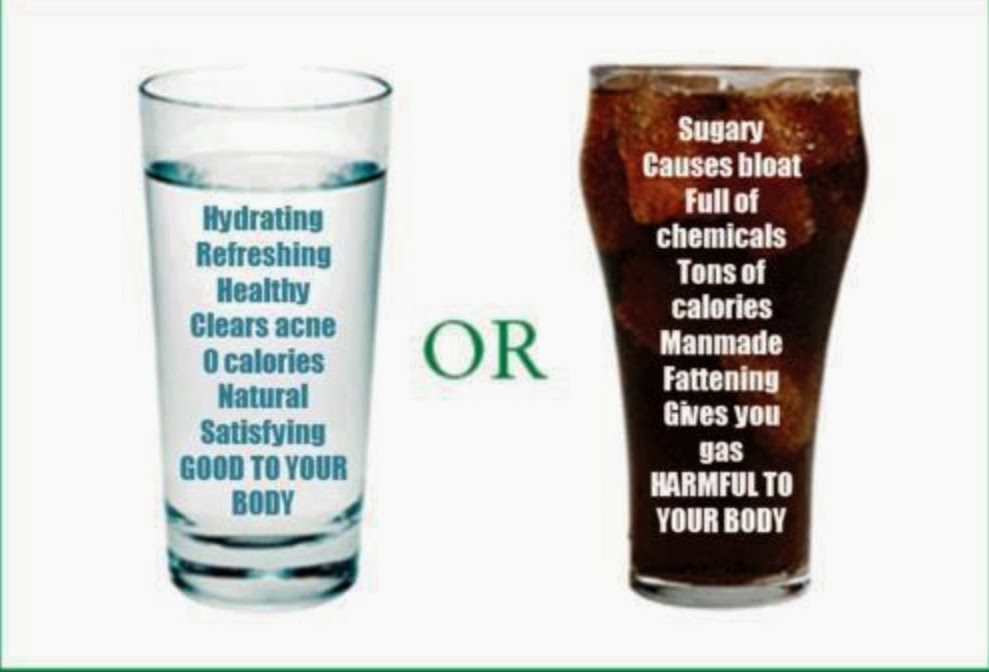
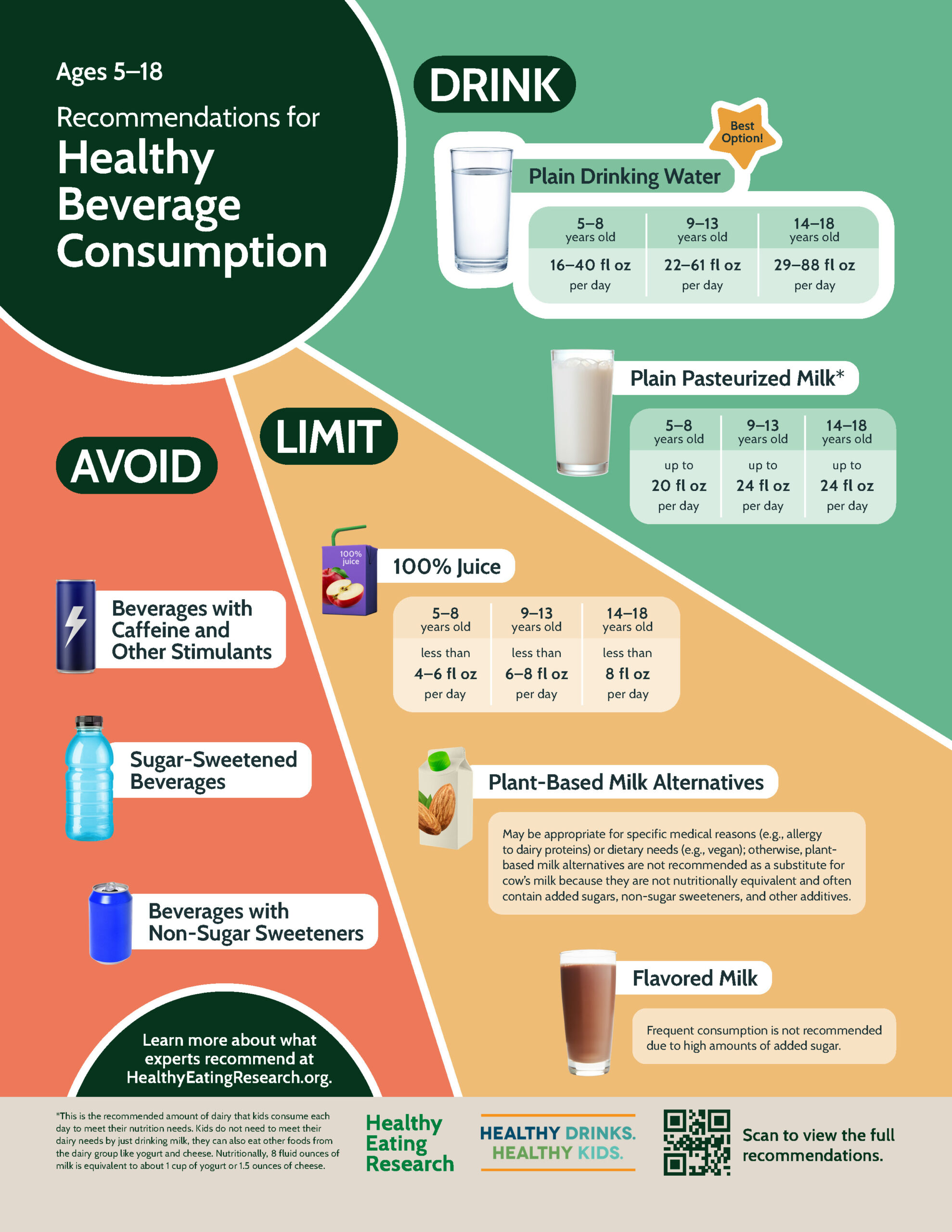
Drinking Your Calories
Liquid calories don’t trigger fullness the same way solid food does.
Common culprits include:
- Sugary coffee drinks
- Fruit juices and sweetened teas
- Alcohol and energy drinks
These can add hundreds of calories daily with little nutritional benefit.
Better choices: Water, herbal teas, black coffee, or sparkling water with fresh fruit.

Cutting Out Entire Food Groups
Eliminating carbs, fats, or entire food categories without medical reason can create nutrient gaps and make diets hard to sustain.
Potential consequences:
- Low energy and brain fog
- Digestive issues
- Increased cravings and binge cycles
Balanced nutrition supports long-term health more effectively than extreme restriction.
Eating Too Fast and Distracted
Rushed meals and screen-time eating disconnect you from hunger and fullness signals.
This habit often leads to:
- Overeating
- Poor digestion
- Less satisfaction from meals
Mindful eating—slowing down, chewing thoroughly, and paying attention—helps your body regulate intake naturally.
Expecting Perfection Instead of Consistency
One of the most damaging diet mistakes is believing every meal must be flawless.
This mindset can cause:
- Guilt after small indulgences
- All-or-nothing thinking
- Frequent quitting and restarting
Progress comes from consistency, not perfection. Occasional treats won’t derail your health goals.
FAQs
1. Can eating too healthy actually slow progress?
Yes. Overeating calorie-dense “healthy” foods or undereating overall can both hinder results.
2. How do I know if I’m eating enough protein?
If you’re often hungry, losing muscle, or feeling weak, protein intake may be too low. A balanced plate usually helps.
3. Are cheat meals bad for long-term health goals?
No. Planned, moderate indulgences can improve adherence and reduce feelings of deprivation.
4. Is skipping breakfast always unhealthy?
Not necessarily. Some people do well without breakfast, but skipping meals should not lead to overeating later.
5. How important is meal timing compared to food quality?
Food quality matters more, but consistent meal timing can support energy levels and appetite control.
6. Can drinking smoothies replace whole meals?
Occasionally, yes—but whole foods are more filling and support better digestion.
7. What’s the biggest diet mistake most people make?
Chasing quick fixes instead of building sustainable habits that fit their lifestyle.
By recognizing and correcting these common diet mistakes, you can move closer to your health goals with less frustration and more confidence.