How to Stay Motivated During Your Weight Loss Journey

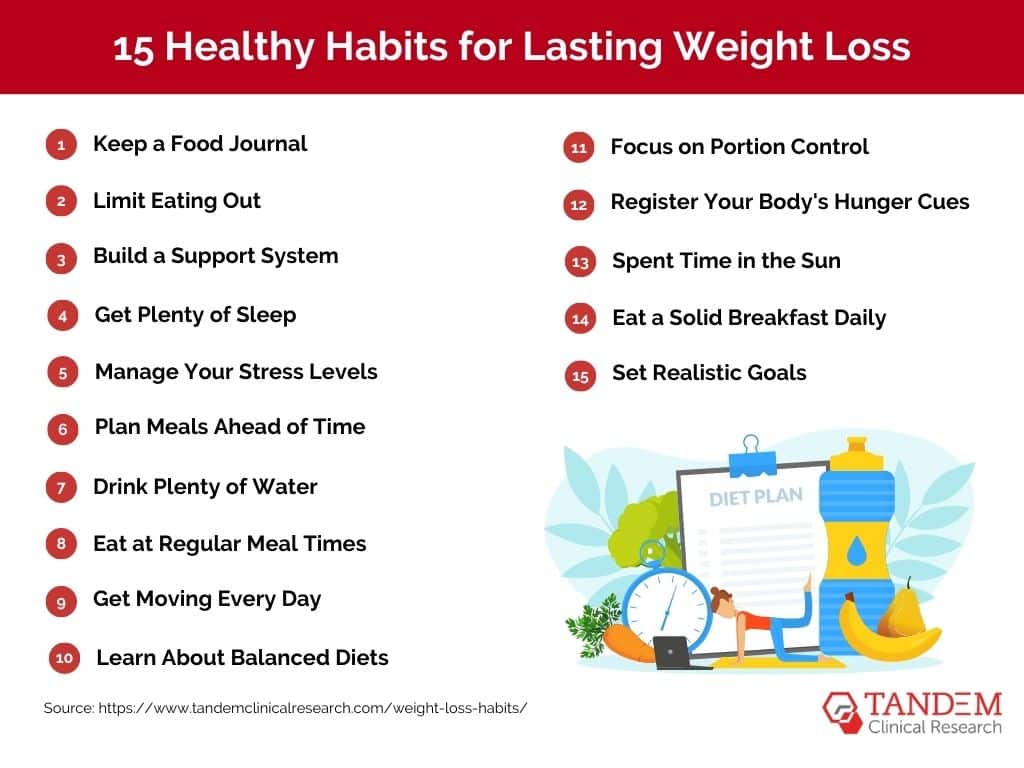
Starting a weight loss journey often feels exciting at first, but staying motivated over time can be challenging. Progress may feel slow, routines can become repetitive, and life stress can interfere. The key to long-term success isn’t willpower alone—it’s building habits, mindset shifts, and realistic expectations that keep you moving forward even on difficult days.
Set Goals That Actually Inspire You
Motivation fades quickly when goals are vague or unrealistic. Instead of focusing only on a number on the scale, define goals that reflect how you want to feel and function.
Effective goal-setting tips:
- Break large goals into smaller, achievable milestones
- Focus on behaviors, not just outcomes
- Celebrate non-scale victories like better sleep or increased stamina
Clear, meaningful goals give your efforts purpose beyond short-term results.
Build a Routine You Can Maintain
Consistency matters more than intensity. A routine that fits your lifestyle is easier to stick with than an extreme plan that disrupts your daily life.
Create sustainable habits by:
- Choosing workouts you genuinely enjoy
- Planning meals that are simple and realistic
- Scheduling movement like an important appointment
When healthy choices become part of your normal day, motivation feels less forced.
Track Progress Beyond the Scale
The scale doesn’t always reflect fat loss, especially when you’re gaining muscle or retaining water. Relying on it alone can drain motivation.
Other progress indicators include:
- How your clothes fit
- Strength and endurance improvements
- Increased energy and focus
- Mood and confidence changes
Seeing progress in multiple ways helps reinforce that your efforts are working.
Expect Plateaus and Stay Calm When They Happen
Weight loss is rarely linear. Plateaus are normal and don’t mean failure. They’re often a sign that your body is adapting.
When motivation dips during a plateau:
- Review habits rather than blaming yourself
- Focus on consistency, not perfection
- Make small adjustments instead of drastic changes
Patience during plateaus builds resilience and long-term success.
Create a Positive Relationship With Food and Exercise
Motivation drops when weight loss feels like punishment. Shifting your mindset from restriction to nourishment makes the journey more enjoyable.
Helpful mindset shifts:
- View food as fuel, not a reward or enemy
- Treat exercise as self-care, not a chore
- Allow flexibility instead of rigid rules
Enjoyment and balance naturally support consistency.
Use Accountability and Support
Motivation grows stronger when you’re not doing it alone. Accountability adds encouragement and perspective when self-discipline feels low.
Ways to stay accountable:
- Share goals with a trusted friend
- Join a fitness group or online community
- Track habits in a journal or app
Support systems remind you why you started when motivation fades.
Reconnect With Your “Why”
Your reasons for starting matter more than any external pressure. Reconnecting with your deeper motivation keeps you grounded.
Ask yourself regularly:
- Why do I want to feel healthier?
- How will this improve my quality of life?
- Who benefits when I take care of myself?
Strong emotional reasons create lasting motivation.



Frequently Asked Questions (FAQs)
1. What should I do when I completely lose motivation?
Take a short mental reset, revisit your goals, and focus on one small habit instead of everything at once.
2. Is it normal to feel motivated one week and discouraged the next?
Yes, motivation naturally fluctuates. Building routines helps carry you through low-motivation periods.
3. How often should I reassess my weight loss goals?
Revisit goals every few weeks to ensure they still align with your lifestyle and progress.
4. Can rewards help with motivation?
Yes, non-food rewards like new workout gear or a relaxing activity can reinforce positive habits.
5. Should I take breaks from dieting or exercise?
Planned breaks can prevent burnout and help maintain long-term motivation when done mindfully.
6. How do I stay motivated if results are slow?
Focus on habit consistency and health improvements rather than speed. Slow progress is often more sustainable.
7. Can mindset really impact weight loss success?
Absolutely. A supportive mindset reduces stress, improves adherence, and helps you recover quickly from setbacks.
Staying motivated during weight loss isn’t about never struggling—it’s about learning how to move forward even when motivation feels low. With patience, flexibility, and self-compassion, lasting progress becomes achievable and empowering.