Clean Eating Explained: What to Eat and What to Avoid
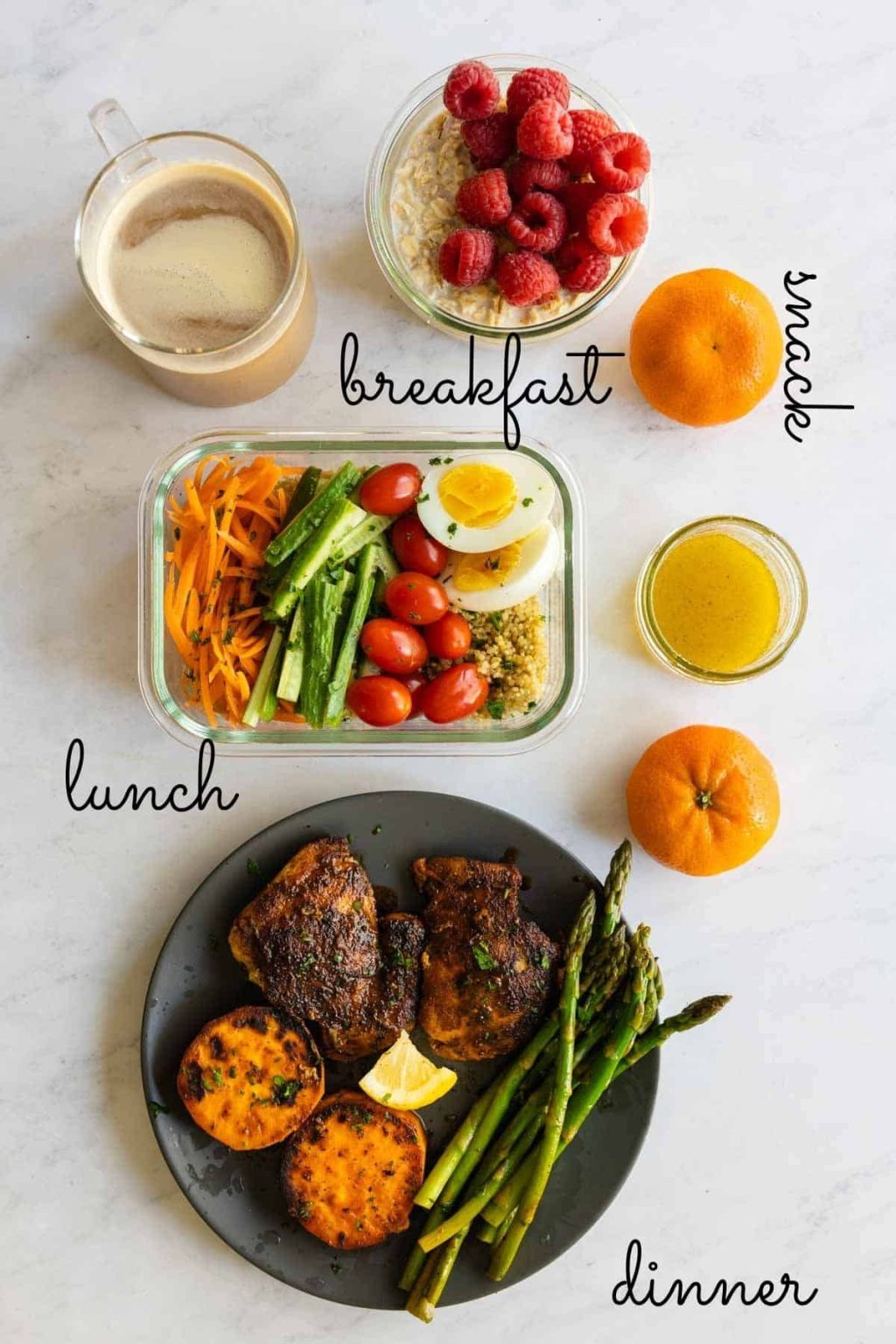
Clean eating is often misunderstood as a strict diet, but in reality, it’s a practical approach to nourishing your body with real, minimally processed foods. The goal isn’t perfection—it’s making smarter, more intentional choices that support long-term health, energy, and well-being.
What Clean Eating Really Means
At its core, clean eating focuses on food quality rather than calorie counting. It encourages foods that are as close to their natural state as possible while limiting artificial ingredients and excessive processing.
Key principles include:
- Choosing whole, recognizable ingredients
- Limiting added sugars and refined carbohydrates
- Prioritizing balance over restriction
Clean eating is flexible and adaptable, making it easier to maintain over time.
Foods to Eat on a Clean Eating Plan
Whole Fruits and Vegetables
Fruits and vegetables are the foundation of clean eating. They provide essential vitamins, minerals, fiber, and antioxidants.
Best options include:
- Leafy greens, broccoli, peppers, carrots
- Berries, apples, oranges, bananas
- Fresh or frozen varieties without added sugar
High-Quality Protein Sources
Protein supports muscle health, metabolism, and satiety.
Clean protein choices:
- Eggs and egg whites
- Fish and seafood
- Lean poultry and grass-fed meats
- Beans, lentils, tofu, and tempeh
Whole Grains and Complex Carbohydrates
Unlike refined grains, whole grains retain their fiber and nutrients.
Better carbohydrate options:
- Brown rice, quinoa, oats
- Sweet potatoes and squash
- Whole-grain bread and pasta with minimal ingredients
Healthy Fats
Fats are essential for hormone function and nutrient absorption.
Focus on:
- Avocados and olives
- Nuts and seeds
- Olive oil and avocado oil
Foods to Limit or Avoid
Ultra-Processed Foods
These foods are often high in calories and low in nutrition.
Common examples:
- Packaged snacks and pastries
- Sugary cereals and instant meals
- Processed meats
Added Sugars and Artificial Sweeteners
Excess sugar contributes to energy crashes and metabolic issues.
Watch out for:
- Soda and sweetened beverages
- Candy, baked goods, and syrups
- Hidden sugars in sauces and dressings
Refined Carbohydrates
Refined carbs are stripped of fiber and nutrients.
Limit:
- White bread and white rice
- Sugary baked goods
- Highly processed snack foods
Clean Eating Doesn’t Mean “All or Nothing”
One of the biggest misconceptions is that clean eating requires eliminating favorite foods entirely. This mindset often leads to burnout.
A more realistic approach:
- Follow the 80/20 rule—eat clean most of the time
- Enjoy occasional treats without guilt
- Focus on consistency, not perfection
Benefits of Clean Eating
When practiced consistently, clean eating can support:
- Improved energy and focus
- Better digestion
- More stable blood sugar levels
- Easier weight management
These benefits come from nourishing your body, not depriving it.
FAQs
1. Is clean eating the same as dieting?
No. Clean eating focuses on food quality and habits, not strict rules or calorie limits.
2. Can clean eating help with weight loss?
Yes, many people lose weight naturally because whole foods are more filling and nutrient-dense.
3. Do I need to buy organic foods to eat clean?
Not necessarily. Organic can be beneficial, but whole, minimally processed foods matter most.
4. Is clean eating suitable for vegetarians or vegans?
Absolutely. Plant-based proteins like legumes, tofu, and tempeh fit well into clean eating.
5. How do I start clean eating without feeling overwhelmed?
Start small—swap sugary drinks for water, add more vegetables, and read ingredient labels.
6. Can I eat out while following a clean eating lifestyle?
Yes. Choose grilled, baked, or steamed dishes and limit sauces and fried foods.
7. Is clean eating safe for long-term health?
Yes. When balanced and flexible, it supports sustainable, lifelong healthy eating habits.
Clean eating isn’t about strict rules or food fear—it’s about making informed choices that help your body function at its best, day after day.